

Motorbike Riding Safety Tips
Motorbike riding teaches you to become hyper-aware of the world around you. This is good, as research suggests that it can improve your cognitive function.
You can also smell things in a way you cannot when driving a car. The mossy scent of the roadbank as you follow it down to a river can last for miles.
Safety First
If you're an experienced motorcyclist or are just beginning, it is essential to learn and practice the fundamentals of safety. The more you know the more you'll be able to avoid accidents.
A motorcycle safety course is the best way to master the skills needed to stay safe on the road. These courses will teach you skills that aren't taught in the pages of a book or a video. They also provide you with the chance to test your new skills in a controlled environment.
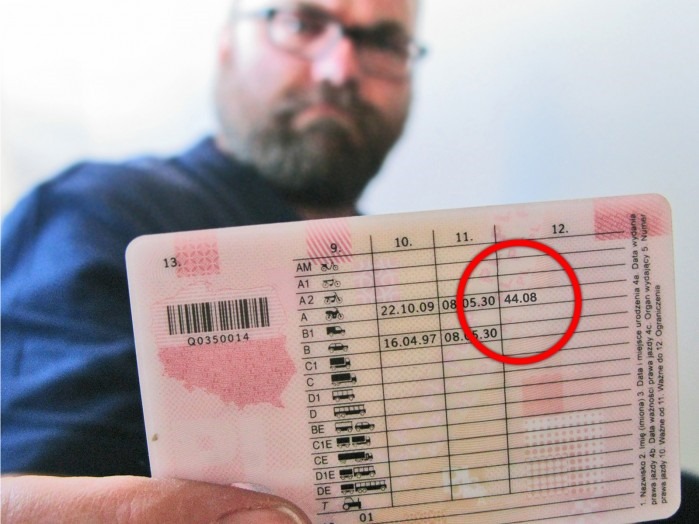
After you've completed a safety training course, the most important thing you need to do is to stay focused on the road and to be visible to other motorists. Many motorcycle accidents are caused by drivers not seeing the rider. It is important to keep your headlights on, keep out of the driver's blind spot, and signal ahead of time, and be on the lookout for other vehicles changing lanes or turning.
Another reason for accidents is riding too fast. Even if you're well-versed in the terrain, it's a good idea to follow speed limits and be extra cautious in adverse weather.
Every motorcyclist is bound to encounter road hazards. Whether it's train tracks, wet pavement leaves, gravel or diesel spills or rubber from blown-out tires, you'll need figure out a way of getting around them without getting involved in the event of a crash. It is helpful to have strategies to stop and turn when these situations occur, so you can avoid grave consequences.
jazda na motorze to choose the appropriate bike based on your body type and level. A bike that is too small or too powerful, or too heavy could be difficult to control and lead to an accident. Wearing protective gear like a helmet or eyewear is also an excellent idea. The right equipment can prevent injuries if you're involved in an accident, and boost your confidence while driving. It's also a good idea always to have a person with you. Passengers can help you stay more aware of your surroundings and be there to help you in the case of an accident or fall.
Gears
Motorbike riders need to be able to shift gears without losing their focus on the road in front of them. To accomplish this, it's essential that new riders are taught to shift properly and also feel the way their motorcycle moves when they shift. This may sound like a lot when you first start out, but it becomes more natural with practice and can lead to more comfortable riding.
To shift gears, a cyclist needs to close the throttle and press down on the lever with their left foot. They should then place their toes under the shift peg and move it upwards. Depending on the speed of the engine and where it is in its RPM range at that moment, one bump can put you into second gear. Two bumps can take you to third. Some riders employ the throttle in a small amount (called "blipping") when shifting gears to keep the engine from sputtering.
Once the rider is at a speed that is appropriate for the current gear, they can release the clutch and begin to accelerate. A good rule of thumb is to shift into a higher gear before the engine starts to reach what's called red-line, which means that it is no longer able to produce power efficiently, and can cause premature wear and wear on the plates of the clutch.
The reverse gear offers the ability to maintain a steady, low-speed acceleration when the bike moves in the same direction it is facing. This can be useful to negotiate tight turns or to merge into traffic. It is recommended to not shift to this gear unless necessary as doing so can cause damage to the transmission and cause the rear wheel to slip and cause danger for the biker.
It's crucial that new riders regularly examine the oil on their motorcycle prior to riding and to conduct regular maintenance and inspections. In addition, it's important to wear appropriate safety gear when riding a motorbike, such as a helmet, eyewear and gloves. Proper footwear is also essential, as they can improve the comfort and stability of your feet, while providing protection from the elements.
Taking a Turn
You're riding along when you see an incline ahead. You can ride through the narrow and bumpy area. It's time to test your abilities. You don't know how to deal with a situation but you're aware that it's your responsibility. The bike will respond to your riding style, and if a mistake is made, it could send you flying to the ground.
The first step is to look around the turn. If you're moving at a slow pace, it's normal to look at where you want to go, and then turn the handlebars the direction you want to go. When you're slowed to a halt, it takes more practice and the ability to keep your focus on the road while you look up to see the direction you're turning. You should be able to look down to the left, or to the right of your bike without being distracted and losing your balance.
When you're at a slow speed and ready to start your turn it is important to balance the bike. Your bike is hefty and has a significant amount of gravitational pull. Therefore, it is likely to tip over if you don't counterweight it with your body weight. This is accomplished by applying pressure to the inner leg of your pants or boot. This stops your leg from slipping off the pedal, and allows you to stay in control while you're turning.
Finally, you need to roll on the throttle. By keeping your throttle at an even, steady speed allows the motorcycle to stay steady while you make the turn, and then accelerate out of it. This is a crucial part of learning how to maneuver your motorcycle through tight areas.
There are many other things to be aware of regarding motorcycle riding however these are the basics that all new riders should begin with. As you get better at your technique it will become more comfortable and more enjoyable. You'll soon be zipping past traffic like a pro.
Stopping
It is crucial to be capable of stopping your bike quickly and efficiently. This is a skill that requires practice and shouldn't be taking it for to be taken for granted.
When a rider is learning how to stop, they need to be in a safe area where they can practice their new skills without worrying about other cars or pedestrians. The first thing to remember is that stopping at higher speeds will require different approach than when stopping at lower speeds. Coming to a stop from 25 mph will definitely occur faster and with less distance than stopping at 60 mph, however the reaction of the bike and its balance is also different, so riders must be prepared for this.
It is also crucial to know how to operate the brakes properly. The most effective way to stop a bike is using both brakes. The front brake should be applied with a firm, smooth pressure. The rear brake must be adjusted. This reduces the risk of skids in the rear tire, which could be dangerous on a motorcycle.
The position of the body and foot placement is critical when it comes to stopping on a motorcycle. A rider must have their feet planted on the foot pegs, with their toes pointed up to prevent their feet from colliding with the ground. It is essential not to move your feet while riding a motorcycle, as this can affect the rider's balance and cause them to lose control.
Another aspect that can affect stopping ability is the condition of the motorcycle's tires and breaks. The best way to ensure the highest stopping performance is to have the brake pads as well as the fluid lines and discs checked and serviced when needed. Properly inflated and rated tires are also essential to ensure safety as is a well-maintained and maintained chassis that is in good working condition.
The final piece to the puzzle of stopping is the rider's preparation and training. A skilled rider has a strategy for stopping their bike and is prepared to execute it with precision. Regular practice will make it easier to stop the motorcycle in an emergency.