

CBT Motorcycle Course For Novice Riders
A1 permits you to ride a scooter, small motorbike, and ride as a passenger on a pillion if you are 17 or older.
A two day course without any tests. It's a great way to get started with riding, with a focus on reviewing the most important components of a bike and slow control exercises.
Compulsory Basic Training (CBT)
CBT is the first course that all riders who are new to riding must attend. It generally takes a full day to complete. If you are able to meet the required standards at the end of the day your instructor will present you with a certificate of completion which is referred to as a DL196.
During this training, you will learn the fundamentals of operating a motorcycle. You will be supervised by a knowledgeable instructor throughout the course of the day. You will also receive an hour of theory to help you understand the highway code, the rules of the road and safe way of lane positioning. You'll be taught how to maintain and check your bike as well as how to transport passengers (if appropriate).
The next phase of the CBT is practical riding on a site. Your instructor will mark an area of safety where you can test your abilities. You will start off slow and then work on the basic safety checks prior to moving off, stopping the motorcycle, and braking properly. motocykl prawo jazdy will be in contact with you during this time and will assist you until they feel confident that you are able to complete the exercises safely. level.
This part of the course introduces you to the different kinds and types of roads and traffic. You'll learn how to be safe around traffic lights and roundabouts and also how to use one-way streets. Additionally, you'll be taught the basics of cornering and how to implement the figure of 8 and emergency stop.
This is the final portion of the CBT. Your instructor will guide you through a variety of different roads. You will be in constant radio contact with your instructor, who will keep track of your progress. If you can successfully demonstrate your ability to ride a motorcycle in traffic and handle different road conditions, then you'll be awarded the CBT DL196 certificate.
CBT has been around for quite a time, but it's still a crucial aspect of motorcycling. We continue to see improvement in the statistics of accidents since the introduction of CBT. It is important to choose a school that provides comprehensive CBT to ensure that you are prepared and ready for the world of two-wheeled driving.
Module 1 Theory Test
The first step towards getting an A1 license is passing the motorcycle test in theory. The test lasts 40 minutes and tests your understanding of road rules, traffic signals and general riding safety. It is highly recommended that you go over the Highway Code before taking this test to maximize your chances of success.
On the day following your CBT you will start your module 1 training. You will be riding a bike that is appropriate for the category you are in. If you're hoping to pass A1, the bike you choose will be a Honda Monkey. The course will include lots of off-road balance and control exercises to prepare you for the maneuvers in the module 1 test. You will also visit the DVSA test centre to get familiar with the marking procedures and procedures that are used for each test.
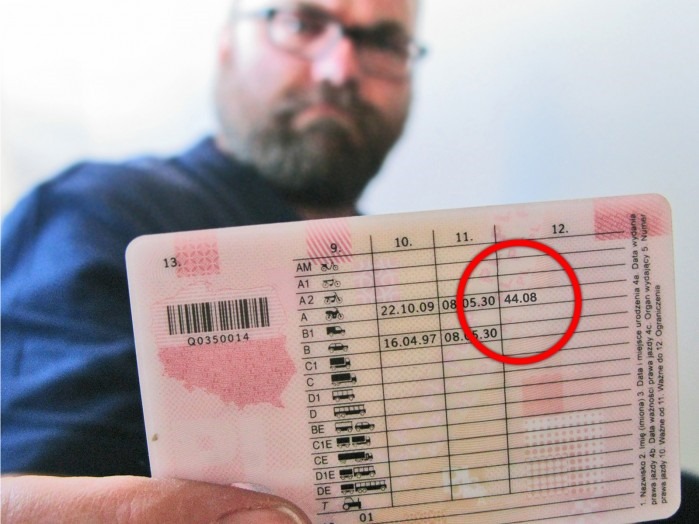
After completing your training, you will be able to take your module 1 test at a DVSA-approved motorcycle test center. You'll need your CBT certificate, along with a valid passport or driving license.
Once you've passed your Module 1, you'll move on to your Module 2 practical test, which will take place out on the roads. The examiner will guide you on a brief ride around the locality, and you'll have 35 minutes to complete it on your own. The examiner will assess your ability to multitask while following road signs and will expect you to demonstrate your driving skills.
After passing both Module 1 and Module 2 you will be able to enjoy the freedom that comes with an A1 light license. This permits you to use bikes up to 125cc, without the need for an instructor's license. Additionally, you will no longer be required to display your L plates. A1 licences also permit you to ride with a passenger and you don't have to take the CBT every two years. This is an excellent alternative for those who wish to to experience the joy of motorcycling together with a companion or friend. The next step after an A1 license is an unrestricted A licence, which requires a valid driver's license.
Module 2: Practical Test
Once you've completed Module 1 and your theory test, you are now able to take the practical part of your motorcycle licence - Module 2. This test will grant you an A1 licence that allows you to ride a bike up to 125cc and with power up to 11 BHP. You can also carry a passenger and ride on motorways.
The Mod 2 test is an independent riding test that lasts approximately 10 minutes. The examiner will be following you along the pre-determined route, which will be subject to traffic and road conditions. The route will be crowded with intersections, roundabouts and dual carriageways which means you'll have to be able to ride in various conditions.
Module 2 will test your ability to recognize, anticipate and navigate busy roads. This is crucial as it will allow you to make decisions on the fly when out on the open road. You will need to be able react quickly if, for example you're driving down the road and spot a car moving towards you.
You'll also be expected to show good control at a slow speed and be capable of pulling away easily and stop confidently, as well as maintain speed. You must be able to demonstrate effective brakes, and perform a controlled U turn when necessary.
You'll also be tested on your ability to signal and change gears. You'll be asked to signal before overtaking another vehicle, when exiting a intersection, and switch gears whenever necessary.
After passing both the parts of the Module 2, you will receive a certificate with your A1 license. You'll then be able ride your new bike around the countryside or commute to work in fashion and comfort. Your new A1 licence is your ticket to freedom and adventure, whether you're riding an ultramoto or a scooter.
Licensing
This course is for those who have completed Module 1 & 2 and wish to enhance their riding abilities and build a relationship with their bike. It will involve more advanced training and exercises such as leaning the bike to manage it at higher speeds. It also covers hazard avoidance techniques used on roads as well as high speed stopping and cornering. You will be on the road for 6 hours with a Ride coach, and you can choose your own bike.
This is a great option for riders who are unsure if they should get a full licence or not. they really want. It comes with all the training you need, including the Module 1 and 2 tests as well as the off-road techniques for your Cat A licence, so it gives you everything you need to get on the road without having to take the theoretical test first.
You will start on a smaller bike to become familiar with your riding position and your balance before you move up to a bigger bike for your category. It is typically a 500cc motorbike. You will be riding your own bike for this class, and you can wear your own helmet or can purchase one from us.
The BRC is a five-day course that provides the information and practice you need to become a licensed motorcycle rider in the state of Tennessee. The BRC is a five-day course that provides the knowledge and practice you need to become a licensed motorcyclist in Tennessee.
You must be at least 16 years of age to participate in the Basic RiderCourse (BRC). If you are under 18 You will need your guardian or parent to sign the Covid Release and Waiver of Indemnification form (click here) along with the Motorcycle Safety Program Parent/Guardian Agreement. Your guardian or parent also have to complete the MSF ecourse before attending your BRC course.