

Driving License Scooter Laws
According to the state, you might not require an extra license to drive scooters. New York, for example has a classification system for scooters based on their maximum speed and requires registration, licensing and insurance.
In Alaska, the endorsement for motorcycles is required on your driver's license or you'll require an additional motorcycle permit to drive a scooter or moped.
Mopeds
The driving license scooter can be an enjoyable, efficient method to travel around urban areas. These vehicles are easier to park and are more environmentally more eco-friendly than cars. They could be dangerous if they are not driven properly. Although the laws regarding mopeds vary from state to state and even within states, they are generally considered to be a motorbike.
Pennsylvania defines a moped as be a two-wheeled vehicle with pedals that can be used by the feet for propulsion and an engine not more than 50cc. In addition the vehicle must be capable of traveling at a speed of no more than 30 mph on a level surface. Anyone riding a moped must wear at all times a helmet, and the vehicle must be registered and insured as well as checked.
In Michigan, mopeds are motor-driven cycles not designed to carry people. Two-wheeled bikes don't need to be titled or registred, but drivers must have an active license or permit to drive them on public roads. The state also requires all moped drivers carry insurance for liability.
Montana like Pennsylvania, classifies mopeds as being a type of motorbike and requires the rider to possess a Class M or MJ (motorcycle) license to operate them. Additionally the state requires that all drivers have an eye and helmet when riding mopeds. Mopeds are registered the same way as regular motorcycles. All owners must register their vehicles and show proof of insurance before they can drive them on public roads.
Other states treat mopeds and scooters in the same manner and require that they are registered, titled and insured, in addition to having a valid driver's license or moped permit to drive them on public roads. However, some states have different definitions of these types of vehicles, and may require that drivers have a certain amount of training to operate them. This is a reason to consult your local department of transportation prior to purchasing mopeds.
Scooters
Scooters are two-wheeled cars that can be driven on their own designed to provide personal transport. They are equipped with an exterior that conceals the majority of the mechanicals. They usually include some integral storage, such as an integrated seat or a front leg shield. They also come in a variety of engines and power configurations ranging from 50cc models that have a single cylinder to twin cylinder scooters with 850cc. Scooters are usually driven by a chain, but can be driven directly. The motors can be powered either with gasoline or electric batteries. They are typically constructed of pressed steel or aluminum alloy wheels, and come with interchangeable front and rear tires. There are a myriad of options when it comes to braking systems. They include mechanical disc brakes, drum brakes, and electronic brakes, also known as regenerative or electronic.
In New York, a moped or scooter can be operated without a license, as long as it meets certain requirements. These include having pedals that are able to be used to assist humans in propulsion, having a floorboard designed to be able to stand on while operating the vehicle, and having an attached engine that is no bigger than 50 cc and produces not more than 2 brake horsepower. Mopeds and scooters are only permitted to be operated on roads with speeds of less than 30 mph.
If the engine of your scooter is larger than 50cc or produces 2 brake horsepower it is classified as a motorbike. You must be able to title, license and registered, and you must follow the similar rules as if you were driving a car. When riding on public roads, you'll require an appropriate helmet for motorcycles.
In certain states, like Connecticut, motorscooters are considered mopeds, and they must be tagged and registered. They can only be operated on roads with posted speeds of 30 or less. They cannot be used on sidewalks or bicycle lanes. A helmet is mandatory for all riders less than 18. Mopeds and scooters must be parked upright in order to ensure that sidewalks are clear for pedestrians.
Motorcycles
In many states, motorized scooters that have a top speed of more than 30 mph on level ground, and don't have pedals that assist in propulsion, are considered motorcycles and require a title and insured. Motorized bicycles should also be treated in the same way as motorcycles. Both kinds of vehicles require that riders wear eye protection as well as helmets. In Georgia, for instance, all riders and operators of motorized bikes and mopeds must wear helmets in order to be allowed on the road.
The process to obtain the motorcycle license is the same as that to obtain a regular driving license. It usually involves passing a written exam at the local Driver License Examination Station and completing a on-cycle driving test. After you have passed both of these, the next step is to pass your motorcycle road test at an off-street test with a certified examiner.
redirected here must bring your motorcycle, a helmet, and appropriate eye protection for the road test. After passing the road test, you will receive your motorbike license. In most cases you will also have to register your motorcycle, and pay a small fee.
Motorbikes are generally thought to be more risky than mopeds, and therefore require a higher age for operator licensing and more stringent rules for operating. In New Mexico, for example, you must be 16 years old in order to operate motorbikes. You must also pass a safety class and a rider's test, and an examination for riding.
A helmet is required when operating a motorcycle on any public property, including private properties. You should also have liability insurance for your vehicle.
If you want to operate your motorized scooter on highways, you'll require a class M motorcycle license. This license is applicable to all vehicles with an engine of 50cc or greater, but you must still take a knowledge test and the driving test to get a motorcycle license in the state. In addition, you'll have to register your bike and pay an insignificant fee for registration and inspection.
Licensing
The rules regarding who is allowed to operate what type of scooter in New York City are not well-defined, which can cause confusion and legal issues. A knowledgeable lawyer can help clarify the laws and assist people avoid any issues related to their State and city licensing requirements for scooters.
In Massachusetts, mopeds and motorized scooters used on public roads have to be titled, registered and have license plates. They also need to be insured with liability coverage of at minimum $15,000 per driver and $30,000 per accident. The MA RMV requires that all drivers under 16 wear helmets.
Certain states have stricter rules regarding scooters that are primarily used for leisure. In New Mexico, for example, anyone who operates a scooter that has pedals and is able to travel over 20 mph on flat ground needs an active driver's license. It is also mandatory that all operators and passengers wear a helmet. In some states, including Pennsylvania, a vehicle that falls somewhere in between moped and motorcycle rules is deemed to be to be a "motor-driven cycle." To be considered a motor-driven cycle motor, the motor must have less than 50ccs and produce no more than 2 horsepower of brake power. The vehicle must also be inspected and you must obtain a Class M license to operate it on the streets.
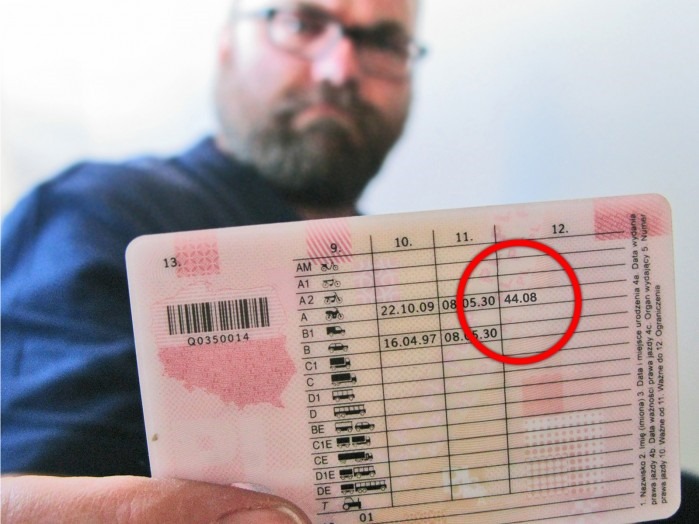
The majority of people will only think about a scooter if it's street legal. In New York it is only allowed to be used on the roads and bike lanes. It is not allowed to drive on a street or sidewalk. It must be driven in a designated lane and obey all traffic laws, such as not crossing solid white lines or passing cars on the left.
As an experienced New York City attorney who has represented clients across the state, I know how confusing it is to know which scooters are permitted in what areas and under what classes of license. Understanding the differences can save you from getting a ticket or having to pay for costly repair work.