

Taking Required Tests to Become a Certified Auto Mechanic
The preparation for the ASE A1 Engine Repair test can be accomplished by reading the official study guides and practice tests. These resources will help you comprehend the topics covered in this test, including general engine diagnosis the cylinder head and valve train diagnostics, and engine block diagnoses.
This is the smallest level of the CEFR and covers the most basic interactions. It's typically required for family reunion visas.
English
Candidates who want to become certified auto mechanics must be able to pass an English language test as part of their certification process. The ASE A1 test is designed to test the English language proficiency of non-native English speakers. It includes questions on listening, reading and speaking. The ASE A1 is not an easy test, but it's not impossible. You can increase your chances of passing the test by studying thoroughly with the help of study guides and practice tests.
The ASE A1 exam contains 60 multiple-choice, scored questions as well as 10 or more questions that are not scored. The exam typically covers five major subjects that include engine fuel systems, ignition and electrical systems, cylinder head and valve train engine block and water pump, as well as transmissions and drivetrains. Each section is a different subject. It is important to know the topics of each section before taking the test.
There are a myriad of ASE A1 practice tests and study guides on the internet however not all are all created equal. Select study guides that are up-to-date, comprehensive and aligned with the ASE test objectives. In the days leading up to the exam, make sure to take regular breaks, adhere to an appropriate diet and sleep schedule, and to take regular breaks for rest. This will help you remain focus and calm during the test.
The preparation for the ASE A1 test takes time and commitment. It is recommended to begin early and set aside time every day to studying. Joining a study group of students who are studying for the same test is an excellent idea. This will create a forum for discussion, problem-solving, and sharing learning experiences.
If you are disabled and are disabled, the Home Office may grant you an exemption from the A1 test. This is a case-by-case decision and depends on the severity of your disability.
The A1 level is the initial step from a beginner language level. It is also equivalent to the CEFR level A1. The A1 level allows learners to understand and use basic phrases and expressions that are used in everyday life and meet specific needs. It also permits the student to introduce himself and others, describe his daily routine and possessions, and ask and answer simple questions in a variety of situations.
German
You may be required to take a standardized test to learn German. For example, the Goethe-Zertifikat A1 Start Deutsch 1 and the telc Deutsch A1. These tests are for non-natives and assess your reading, listening, and writing skills. These tests are an excellent way to determine your level proficiency and assist you in choosing the best German course for you. You can prepare for these tests by using numerous online resources, such as video tutorials, language learning apps on YouTube, and textbooks.
The Goethe-Zertifikat exam and the telc test are based on the Common European Framework of Reference for Languages also known as CEFR. They are designed to test basic language skills. The CEFR levels can be classified into three categories: A1, A2, B1. The Goethe-Zertifikat is the first of these tests, proves that you possess very basic proficiency in a language. This certification is vital for anyone who wants to master a new language.
Exams that are mock can be a good way to get familiar with the exam format and to test the various aspects of it. It will also help you identify your strengths and weaknesses so that you can concentrate on areas that you need to improve your abilities. If you are having trouble listening, you may be interested in improving your intonation and pronunciation. If you are struggling with grammar, you should concentrate on practicing sentence structures and grammatical rules.
The A1 Goethe German test is divided into four sections that include listening (Horen), Lesen (reading), writing (Schreiben) and speaking (Sprechen). The writing section contains questions on grammar, vocabulary and word order. Additionally to that, there are a lot of comprehension exercises. It is crucial to be prepared for the German A1 exam by practicing these subjects prior to the exam.
It is crucial to create a space that is calm and free of distractions during the test. This will help you to remain focused and reduce stress on the test day. Avoid making guesses without understanding the context of the question or the context. This will help you avoid incorrect responses and ensure that you don't miss any important points.
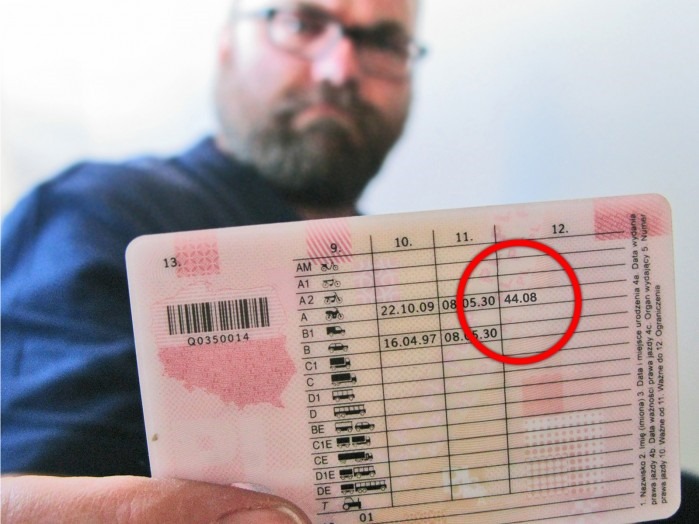
motocykl prawo jazdy is the first step on a path that will eventually lead to fluency in the language. The exam is based on the Common European Framework of Reference for Languages and tests your ability to communicate at an elementary level in everyday situations. The test covers four languages skills: reading, listening, speaking and writing. There are a variety of ways to prepare for the French A1 test, including taking practice tests and learning the basics and engaging in conversations with native speakers.
Read as much as possible and pick texts relevant to your everyday life. Try to understand the overall message, and if you come across any words you don't know, look for them online. You can also keep track of important information by making notes while reading. Listening is a difficult skill to master. However, you can practice it by engaging in conversations with natives and using online resources. Listening to people of all ages, such as children and the elderly, will help you become familiar with various accents and speed.
Speaking is a vital component of the A1 French test, and it is crucial to improve your pronunciation and master formal and informal phrases. It is also important to practice answering questions and understanding how to describe things. It is essential to pay attention to grammar as well, especially sentence structure and verb conjugation. You can improve your French by interacting with native speakers, taking lessons, and using online resources.
The A1 French test also includes writing sections. It requires a solid understanding of basic grammar. You can practice by writing short paragraphs and messages about everyday topics, and focusing on simple sentences. It is also helpful to develop a study plan which includes frequent writing and revision.
Passing the French A1 Test is a excellent way to enhance your French proficiency and will give you a worldwide certification that can be presented to employers and educational institutions. The French A1 Test is the first step toward becoming fluent in the language, and passing it will enable you to manage your daily life in a foreign country.
Spanish
The DELE A1 is a standard for assessing Spanish proficiency in the language. The test tests a candidate's proficiency in Spanish. The test assesses many skills, including grammar pronunciation, vocabulary and pronunciation. The test also measures the candidate's ability in using the Spanish language to communicate in real-world situations. The test is offered by a variety of colleges and universities and private companies and government agencies.
The Common European Framework of Reference is used as the basis for the test's assessment criteria. The CEFR defines the various levels of proficiency in a foreign language from A1 to C2. The ACTFL's interagency language roundtable is an official member of the CEFR and has adapted its ACTFL assessments to its standards. These tests are available to students of any age or grade.
People who wish to take the required test A1 in Spanish should practice the Spanish language on a regular basis. This will help them improve their pronunciation and confidence. Moreover, they should also attempt to learn new words on a regular basis. By adding new words to their vocabulary, they will enhance their abilities to communicate with others and express themselves.
It is crucial to keep in mind that the A1 tests aren't easy. The language is complicated and requires patience and practice to pass the tests. If you want to learn Spanish it is essential to seek expert guidance to prepare for the exam. They should also focus on acquiring the grammar and vocabulary rules of the Spanish Language.
In addition to taking the test, they should also engage in conversations with native speakers to improve their confidence and proficiency. They should also study various written materials to improve their comprehension of reading. It is also useful to read about the successes and positive testimonials of those who have successfully completed the required tests. These stories can inspire students and help them learn useful strategies for preparing to pass the exam. It is also recommended to take the test again after a certain amount of time to determine if they have improved their scores.